
Wondering how to wear a faja lumbar for lifting? Read on.
fajas lumbares for lifting are specially designed to prevent straining of the muscles and support the spine. Lifting heavy items usually put a strain on the person’s core but wearing the right faja lumbar will help distribute the pressure evenly to stabilize the back. Most people don’t even know that there are different types of fajas lumbares for which makes choosing the right one a bit challenging.
Wearing a faja lumbar can help limit unnecessary movement that tends to aggravate back pain. These braces also protect the back to prevent any further injuries. When looking for the best braces for lifting, always go for the adjustable ones since they provide a more customized fit and optimal comfort without compromising on support.
How to Use and Wear a Back Brace for Lifting
A faja lumbar for lifting prescribed by a doctor should come with instructions on both use and maintenance. The instructions include detailed information on putting on and taking off the brace, fitting it and taking care and cleaning the faja lumbar.
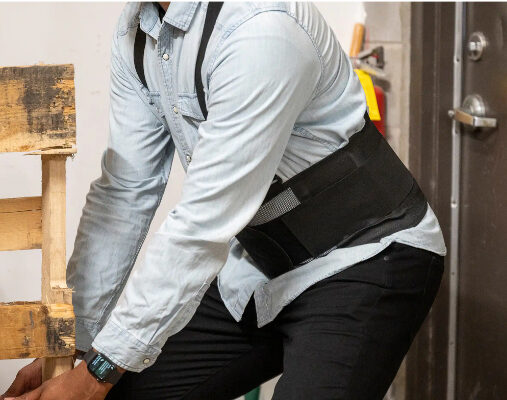
It’s important to wear a faja lumbar for lifting as per the instructions tagged along by the brace manufacturer or prescribing doctor. Most braces are specially fitted to suit the patients’ body and needs. This means that wearing the faja lumbar incorrectly can aggravate the pain or cause further injuries.
Choosing the Best Back Braces for Lifting
-
Comodidad
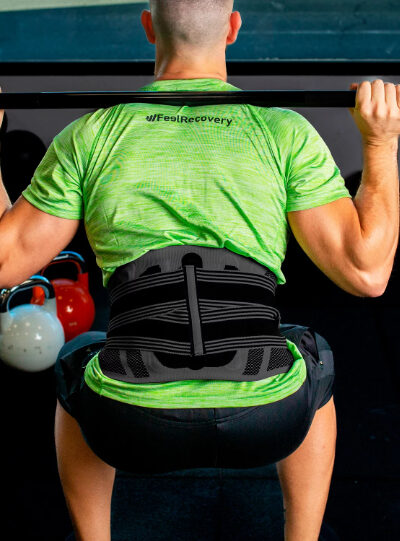
A faja lumbar should be comfortable enough to offer the right amount of compression to not only offer support but also speed up the recovery process. You are less likely going to wear the brace as recommended if it feels uncomfortable and that renders it ineffective as it beats its purpose. You can get a comfortable brace by choose a soft and flexible one with a more customized fit.
-
Convenience
Always go for a faja lumbar that’s easy to wear and take off. Thanks to advanced technology, manufacturers are now incorporating convenient features to make wearing and taking off braces effortless.
-
Range of Motion
If you’re dealing with severe pain, then a rigid faja lumbar will come in handy as it helps limit unnecessary movement to prevent further injury. Ideally, the best brace for lifting should allow for a full range of motion.
-
Breathability
You should also factor in breathability when looking for a faja lumbar for lifting. Braces made of neoprene fabric offer ultimate support and comfort although its less breathable as compared to other materials. Some braces have a cotton lining to improve breathability. Wearing a breathable faja lumbar will allow you to wear it for an extended period with little to no discomfort.
Breathable fabrics help wick moisture away from the body to keep you comfortable.
-
Flexibility
Fully adjustable fajas lumbares for lifting come highly recommended since they not only flexible but also provide additional support. These braces have features like steel supports and stays for greater flexibility and a pulley system for adjustability.
-
Sizing
fajas lumbares for lifting come in different sizes. The one-size-fits-all is an excellent alternative for the plus size since they have a comfortable fit and offer the right amount of support.
How to Wear a Back Brace for Lifting
Here’s a few steps on how to wear a faja lumbar for lifting:
Start by applying the faja lumbar as you would a traditional backpack by simply placing the straps in your arms.
- Wrap the brace around the centre of your back while ensuring the wings are against both sides of your torso. The brace should rest over the waistline.
- Once you’re done, connect the ends around the abdomen while making precise adjustments depending on the pressure and tightness of the brace. Ideally, make smaller adjustments using the pull tabs on each side of the faja lumbar.
- Pull the right side tightly and fold it in place and do the same for the left side of the brace. Ensure it fits snugly for best results, this means that it should neither be too tight nor too loose.
You might need some help reaching the back to wrap the brace especially if you’re struggling with back pain.
You can also avoid pain when wearing the faja lumbar for lifting by placing it on the chair while ensuring the wings are open. This means that the wings should be on either side of your body when you’re sitting. At this point, you can try holding the wings on both sides then stand up and secure the brace at the front.
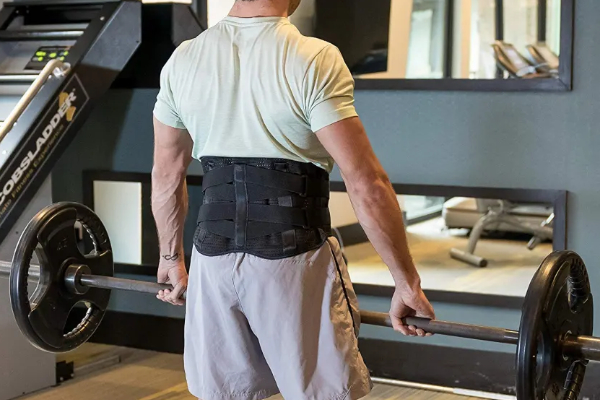
It’s also advisable to wear a shirt underneath the faja lumbar to reduce or even prevent skin irritation. Don’t fret, there are some recommendations of shirts that are specially designed for this purpose. Generally, a well fitted shirt or one that’s made of incredibly soft cotton come highly recommended in matters preventing skin irritation.
Skin Care
Avoid baggy shirts as they tend to aggravate the skin. However, you need to clean the brace regularly to prevent skin lesions and rashes. If the skin irritation is significant, you may want to stop wearing the faja lumbar for a while to give your skin sometime to heal. Remember, if you wear the faja lumbar incorrectly, it will irritate the skin resulting in development of rashes or sores.
Avoid wearing moisturizers or lotions under the brace since too much moisture underneath can aggravate the skin and lead to sores or skin deterioration. You might notice a few red spots when you take off the brace. That should not be a cause for alarm since the spots fade away within a short time.
If the brace leaves a bruise or rashes on the skin or if the red spots fail to fade away, then you need to adjust it properly or get a new brace with a better fit.
Cleaning the Back Brace
Ensure you rinse off the brace thoroughly when cleaning it. Plus, it should be completely dry before you put it on because a wet or soapy brace can cause skin irritation.
GUÍAS RECOMENDADAS


